
Application and technical points of speed regulating motors in industrial automation
Release Time :
2024-11-05
Source :
network
Author:
Made by Guangdong Yongkun Motor Co., Ltd
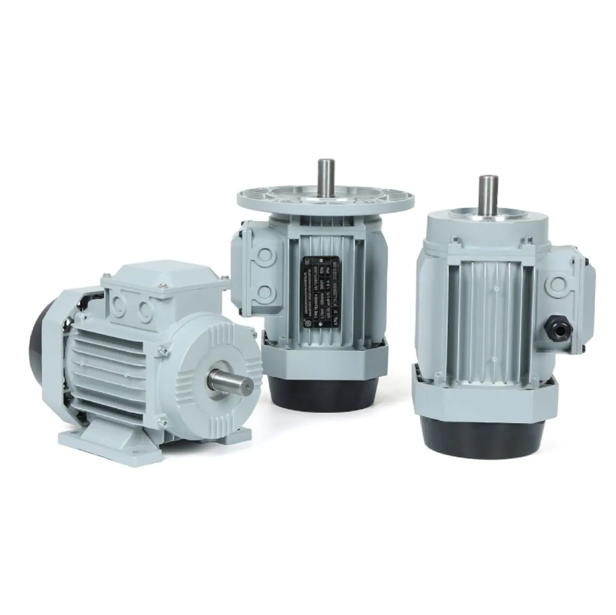
With the continuous improvement of industrial automation in China, the application of speed regulating motors is becoming increasingly widespread in various fields. Variable speed motors have the characteristics of large starting torque, wide speed range, high operating efficiency, and easy maintenance, making them highly practical in industrial production. This article will briefly introduce the application and technical points of speed regulating motors in industrial automation.
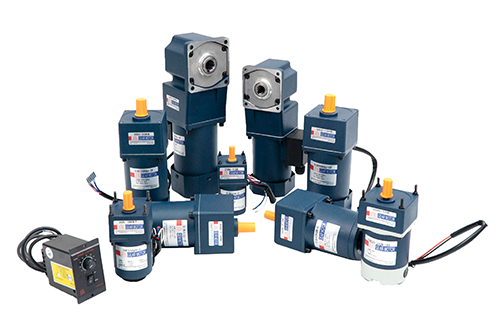
1、 Application of Speed Regulating Motors in Industrial Automation
1. Widely used automation equipment on production lines
In the automatic production line, the adjustable speed motor can meet the requirements of starting, stopping, accelerating, decelerating, etc. of various equipment, and realize the automation of the production process. For example, conveyor belts, mixers, crushers, and other equipment in industries such as textiles, chemicals, food, and pharmaceuticals.
2. Suitable for situations that require precise speed control
In some production processes, precise control of equipment speed is required to ensure product quality. Adjustable speed motors can achieve precise speed control according to production process requirements, such as in industries such as printing, plastics, and cables.
3. Used for high-precision positioning applications
Adjustable speed motors have the characteristics of good starting torque and low-speed high torque, which can achieve high-precision positioning. For example, industries such as robotics, CNC machine tools, and precision instruments.
2、 Technical points of speed regulating motor
1. Speed regulation principle
Variable speed motors mainly achieve speed regulation by changing the power supply voltage, frequency, or internal resistance of the motor. Among them, the most common speed regulation methods are variable voltage speed regulation and variable frequency speed regulation.
2. Speed regulation range
The speed range of a speed regulating motor refers to the ratio of the lowest speed to the highest speed that the motor can achieve during the speed regulation process. The larger the speed range, the wider the application areas of the motor.
3. Starting torque
The starting torque refers to the maximum torque that a motor can provide during the starting process. The greater the starting torque, the stronger the motor's load-bearing capacity during the starting process.
4. Operating efficiency
Operating efficiency refers to the ratio of the power consumed by a motor during operation to the output power. The higher the operating efficiency, the better the energy-saving effect of the motor.
Micro motor,Variable speed motor,Right angle reducer
Address: No.66 bis, Hetong Road, Dongfeng Town, Zhongshan City, Guangdong Province
Tel:0760-22189558
Mobile:13923325827

©2023 GUANGDONG YONGKUN MOTOR CO.,LTD All rights reserved


