
Which occasions are variable frequency motors suitable for?
Release Time :
2024-11-23
Source :
network
Author:
Made by Guangdong Yongkun Motor Co., Ltd
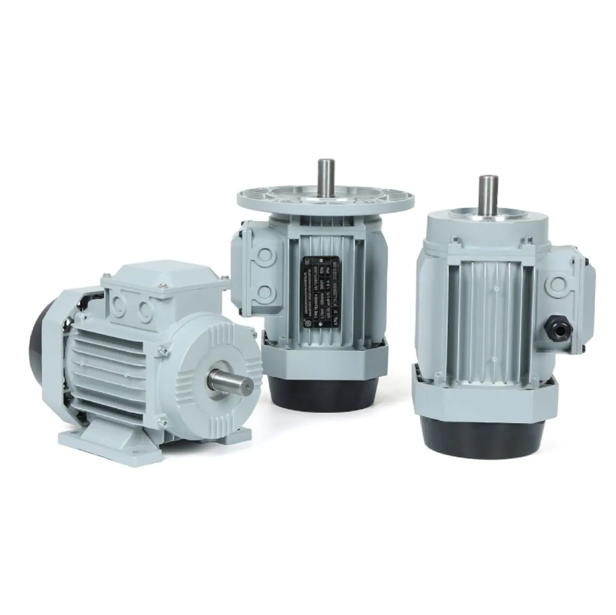
Variable frequency motors have the advantages of wide speed range, small starting current, good energy-saving effect, and adaptability to frequent start stop and forward/reverse operations. They are suitable for the following situations:
Numerical Control Machine Tool: During the machining process, it is necessary to accurately adjust the motor speed according to different machining materials, process requirements, and tool characteristics to achieve the best cutting effect and machining accuracy. Variable frequency motors can meet the precise speed control requirements of CNC machine tools, thereby improving machining quality and efficiency.
Textile machinery: In the textile process, such as spinning and weaving, precise control of yarn tension is required to ensure the quality of textiles. Variable frequency motors can achieve constant tension control by adjusting the speed, ensuring stable tension of yarns during production and improving the quality of textiles.
Automated production line: Different processes on the production line may require different operating speeds. Variable frequency motors can flexibly adjust the speed according to changes in the production process, making the operation of various equipment more coordinated and improving the overall efficiency and flexibility of the production line.
Fans and pumps: In industrial production, fans and pumps are widely used. By using variable frequency motors to drive fans and pumps, the motor speed can be adjusted according to actual production needs, thereby achieving precise control of air and water volume and achieving energy-saving goals. For example, in chemical production, the speed of the fan is automatically adjusted based on parameters such as temperature and pressure of the reaction kettle to control the ventilation volume; In the water supply and drainage system, the speed of the water pump is adjusted according to changes in water consumption to achieve constant pressure water supply.
Agricultural machinery: In agricultural production, such as irrigation equipment, harvesters, seeders, etc., the use of variable frequency motors can adjust the motor speed according to different operational requirements, improve the work efficiency and adaptability of agricultural machinery, reduce energy consumption and mechanical wear and tear
Medical equipment: Some medical equipment such as medical centrifuges, ventilators, etc. require high motor speed and stability. Variable frequency motors can meet the precise control requirements of these devices, provide reliable power support for medical equipment, and ensure the normal operation of the equipment and the safety of patients.
Construction machinery: Concrete mixers, tower cranes, and other equipment used on construction sites can achieve soft start and soft stop of the motor using variable frequency motors, reducing the impact on the power grid. At the same time, the motor speed can be adjusted according to different workloads, improving the efficiency and service life of the equipment, and reducing energy consumption and noise.
Food processing machinery: During the food processing process, equipment such as mixers and conveyor belts need to adjust the motor speed according to different food processing techniques and production requirements. Variable frequency motors can achieve precise speed control, ensuring the quality and efficiency of food processing while complying with food hygiene and safety standards.
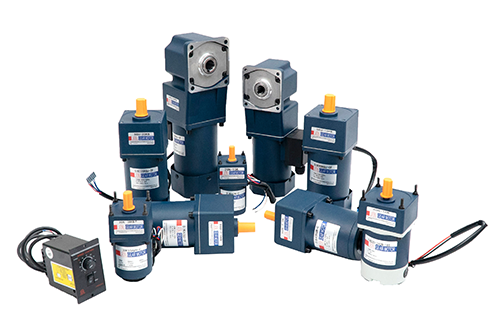
1. In situations where variable frequency speed regulation motors are required
1) Need infinite width speed regulation, especially for applications where high speed is above 100% of the power frequency and low speed is below 20% of the power frequency speed.
2) In situations where the load is often in a light load state and the speed is allowed to decrease during light load, such as water pumps in water supply systems, escalators, air conditioning supply systems, etc., there is a certain energy-saving effect.
3) In situations where infinite speed regulation is required and soft start and/or soft braking are needed.
4) In situations where infinite speed regulation is required and the space occupied by the motor needs to be reduced.
2. In situations where variable frequency speed control motors are not suitable
1) In order to achieve soft start and power saving, the speed regulation range is only within ± 5% of the rated speed of the motor, which is not necessary for the load system.
Using a frequency converter to control the speed within ± 5% of the rated speed of the motor is not energy-saving compared to directly using a regular motor (within ± 3%, it consumes more electricity), and it can also cause a series of undesirable problems such as increased noise (especially high-frequency electromagnetic noise) and temperature rise.
Among other electrical equipment connected to the power supply circuit of the electric motor, there are devices that cannot function properly when powered by sources with high electromagnetic interference and harmonic components, such as certain precision instruments and controllers.
Variable speed motor,Variable frequency motor,Micro motor
Address: No.66 bis, Hetong Road, Dongfeng Town, Zhongshan City, Guangdong Province
Tel:0760-22189558
Mobile:13923325827

©2023 GUANGDONG YONGKUN MOTOR CO.,LTD All rights reserved


