
Why do most bearings in gearboxes not require a floating end design?
Release Time :
2024-09-11
Source :
network
Author:
YOANGKUN motor
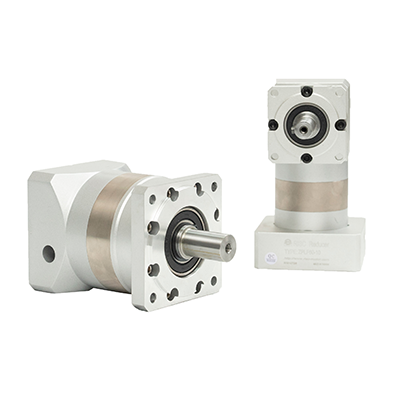
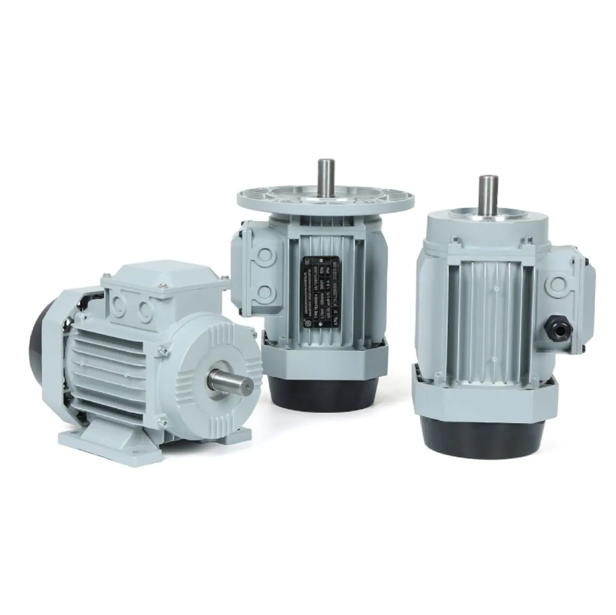
Students who have studied the mechanical structure of motors will find that motor bearings are either designed with waveform spring pads or with one end fixed and the other end floating. Its main purpose is to compensate for manufacturing deviations and dimensional changes caused by thermal expansion of the motor shaft. But this design is rarely seen in gearboxes. Have you ever thought about why? Here are a few points to encourage everyone.
From a material perspective, the components inside the gearbox are mostly made of steel, with little difference in thermal conductivity and a more rigid structure. Thermal conduction and expansion are usually more uniform. The motor has steel, copper, and aluminum inside, with complex materials and differences in thermal expansion coefficient and thermal conductivity.
2. The heat source in the gearbox mainly comes from the meshing of gears, and the design of gears usually has a small aspect ratio, so the size change after thermal expansion is more radial, with less axial influence. Electric motors are different. The structure of the stator and rotor is usually characterized by a large aspect ratio, and the axial dimension changes more significantly when the temperature rises.
3. The temperature rise of the gearbox is usually not high, usually within the range of 20 ° C to 60 ° C. Under high load conditions, the temperature rise may be higher, but usually lower than that of the motor (the motor temperature rise is generally between 50-100 ° C, or even higher). Due to the low temperature rise, the axial thermal expansion of the gearbox shaft is usually smaller than that of the motor shaft.
- There is a good heat dissipation medium in the gearbox - lubricating oil, which will take away heat and distribute it more evenly throughout the gearbox. Regardless of the cooling method used for the motor, it is difficult to achieve uniform internal heat distribution.
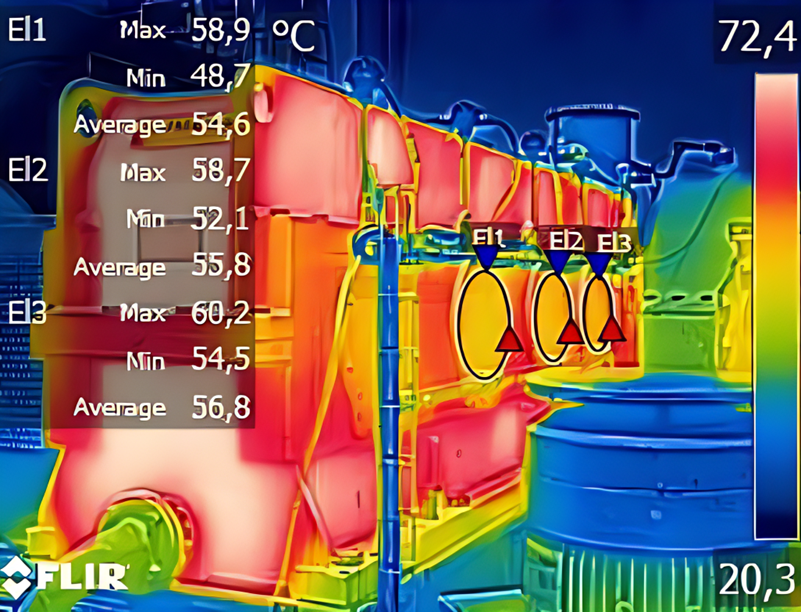
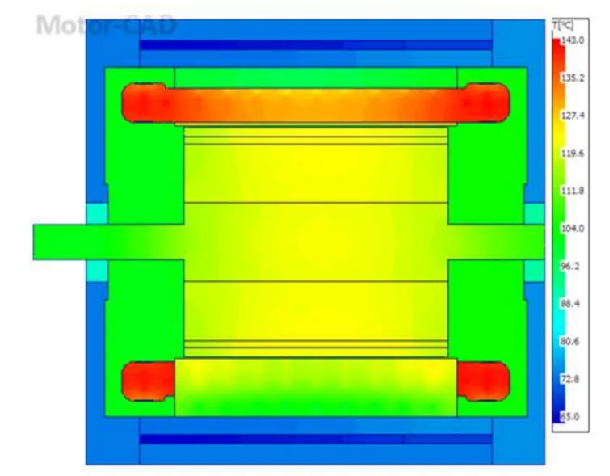
Taking into account the above factors, the thermal expansion of the gearbox shaft in practice is usually around 0.1 to 1mm, while the axial thermal expansion of the motor may reach several millimeters. Therefore, motor bearings usually adopt a floating end design, while gearboxes do not require it.
But one thing to note is that although most gearbox bearings do not require floating end design, the potential thermal expansion should be taken into account when designing the tolerances of each component. If the thermal expansion cannot be compensated for, floating design should be considered.
motor,Gear motor,electric machinery
Address: No.66 bis, Hetong Road, Dongfeng Town, Zhongshan City, Guangdong Province
Tel:0760-22189558
Mobile:13923325827

©2023 GUANGDONG YONGKUN MOTOR CO.,LTD All rights reserved


