Exploring non-standard commonly used motors: excellent performance, each showing its own unique abilities
Release Time :
2025-01-13
Source :
network
Author:
Guangdong Yongkun Motor Co., Ltd
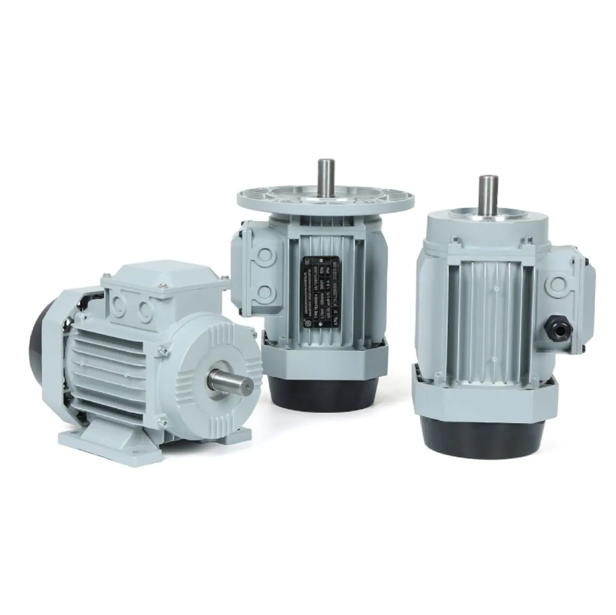
Behind the scenes of industrial production and the operation of numerous equipment, motors play a crucial role. Today, let's delve into the wonderful world of non-standard commonly used motors, appreciate their unique charm and wide applications, and analyze their advantages and disadvantages, providing you with a more comprehensive reference when selecting motors.
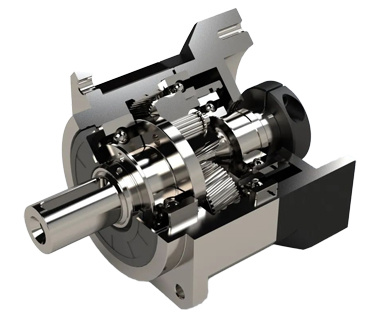
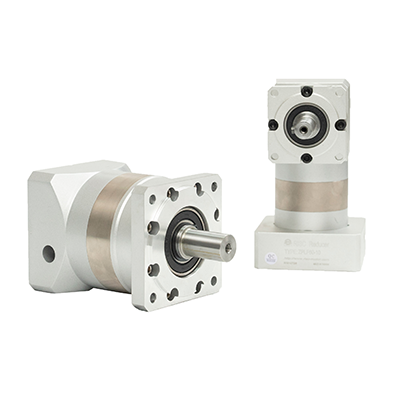
Deceleration motor: a delicate balance between power and speed
advantage
Compact structure, combining the motor and reducer into one, saving space, easy installation, and providing more flexibility for equipment layout.
By effectively reducing the speed and increasing the torque through a reducer, it precisely matches equipment such as conveyor belts and mixers that require low speed and high torque, ensuring stable operation.
shortcoming
The cooling fan is directly connected to the motor shaft, resulting in poor heat dissipation during low-speed operation. Due to the fact that the heat dissipation efficiency depends on the fan speed, air convection is weak at low speeds, and heat is prone to accumulate, posing a threat to the performance and lifespan of the motor.
Not applicable to reverse working conditions. Reversing can easily disrupt the heat dissipation order, damage the stability of mechanical transmission, cause mechanical failures, increase maintenance costs and downtime, and reduce production efficiency.
Adjustable speed motor: the art of precise speed control
Governor speed control
advantage
When the speed regulator is used for single motor speed regulation, the pressure reduction speed regulation method is simple and direct, with low cost, which can meet the requirements of some situations where the speed regulation accuracy is not high, such as small fan speed regulation.
The combination of speed regulating motor, reducer and speed controller has speed feedback function, which can monitor and compensate for the impact of load changes on speed in real time, so that the motor can maintain stable speed in equipment with frequent load fluctuations (such as textile machinery), and improve product quality and production efficiency.
shortcoming
The combination of motor, reducer, and speed controller lacks a speed feedback mechanism. Under conditions of large load changes, the speed fluctuates significantly, making it difficult to ensure high-precision operation and limiting its application in key links of precision machining and automated production lines.
Variable frequency drive speed regulation
advantage
According to the magnetic field speed formula, precise speed regulation can be achieved over a wide range to meet different operating conditions. In equipment such as cranes and elevators, the motor speed can be flexibly adjusted according to working conditions to optimize operational efficiency and energy consumption.
It can maintain a constant torque during low-frequency operation, providing reliable power for equipment that requires high starting torque, such as heavy-duty conveyors; High frequency band can improve equipment operation speed and enhance production capacity.
In the combination of variable frequency motor, reducer, and frequency converter, the rich control functions of the frequency converter (such as forward and reverse control, soft start stop) enhance the level of equipment automation and intelligence. Soft start stop technology significantly reduces the impact of starting current and mechanical vibration, extends the service life of equipment, improves system stability and reliability, and is widely used in high-end equipment such as industrial automation production lines and CNC machine tools.
shortcoming
The combination of a regular three-phase asynchronous motor, reducer, and frequency converter poses a significant heat dissipation problem due to the direct connection between the fan and motor shaft without speed feedback, especially in low-speed or frequent speed regulation scenarios, which can easily cause motor overheating and damage; At the same time, its speed regulation performance and control accuracy are relatively limited, which cannot meet the requirements of complex high-precision motion control and is not suitable for situations with strict requirements for speed stability and dynamic response.
Reducer,electric machinery,gear motor
Address: No.66 bis, Hetong Road, Dongfeng Town, Zhongshan City, Guangdong Province
Tel:0760-22189558
Mobile:13923325827

©2023 GUANGDONG YONGKUN MOTOR CO.,LTD All rights reserved


