How do we choose the appropriate DC servo motor and reducer?
Release Time :
2025-02-27
Source :
network
Author:
Yongkun Motor
How do we choose the appropriate DC servo motor and reducer?
When choosing a suitable DC servo motor and reducer, we need to consider multiple factors comprehensively to ensure that the selected equipment can meet specific application requirements while achieving efficient, stable, and reliable operation. The following will provide a detailed analysis from the aspects of motor type, performance parameters, gearbox selection, application environment, and cost-effectiveness to help you make a wise choice.
1、 Understand the basic types of DC servo motors
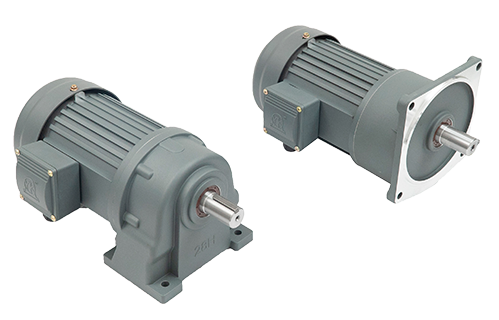
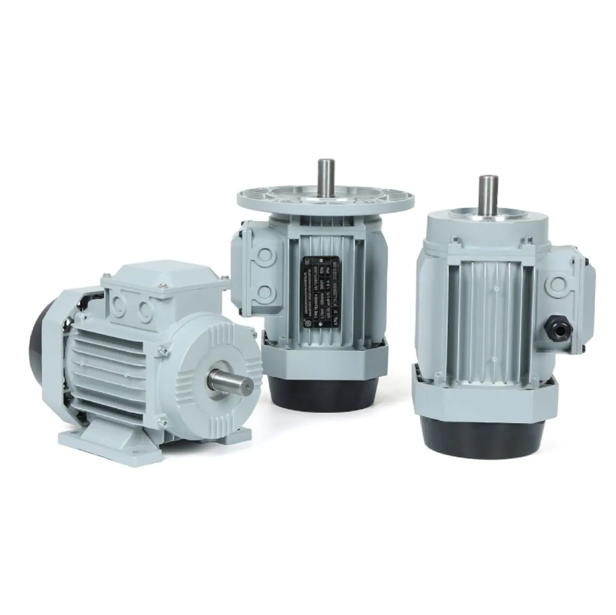
DC servo motors are mainly divided into two categories: brushed DC servo motors and brushless DC servo motors. Brushed DC servo motors have a simple structure and low cost, but require high maintenance frequency as the brushes wear out over time and need to be replaced. Brushless DC servo motors replace mechanical brushes with electronic commutators, reducing wear and improving efficiency and reliability, but at a relatively high cost. When making a choice, it is necessary to consider maintenance, efficiency, and cost comprehensively based on the application scenario.
2、 Analyze key performance parameters
1. Torque and speed: Torque determines the rotational force that a motor can generate, while speed reflects the operating speed of the motor. When selecting, it is necessary to ensure that the torque and speed of the motor can meet the load requirements, while considering the reduction ratio of the gearbox to match the final required output torque and speed.
2. Dynamic response: The dynamic response capability of DC servo motors is crucial for precise control. Fast response motors can track command changes faster and are suitable for applications that require high-precision positioning or quick start/stop.
3. Accuracy and Resolution: Accuracy reflects the accuracy of the motor control position, while resolution refers to the minimum position change that the motor can distinguish. High precision and high-resolution motors are more suitable for applications such as precision machining and robot control.
4. Thermal management and efficiency: Motors generate heat during operation, and efficient motors can effectively reduce energy loss, lower heat generation, and extend service life. Good heat dissipation design is also the key to ensuring stable operation of the motor.
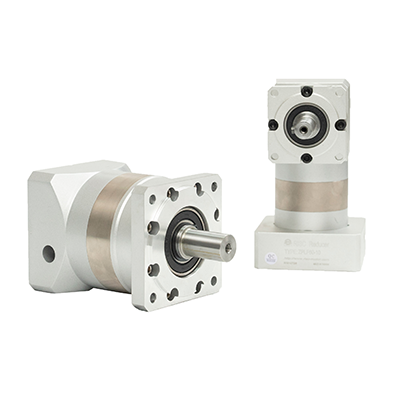
Gearbox selection
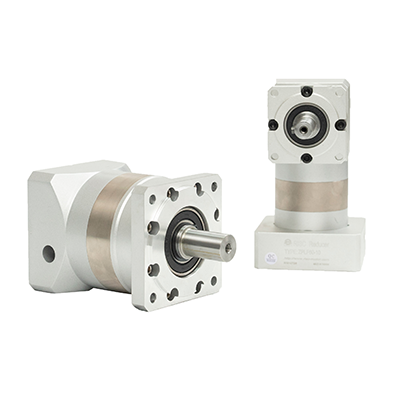
1. Reduction ratio: Choose the appropriate reduction ratio based on the required output torque and speed. The larger the reduction ratio, the greater the output torque, but the speed decreases accordingly.
2. Return clearance: Return clearance refers to the amount of change in the position of the output shaft when the gearbox switches between forward and reverse rotation. Low backlash reducers are suitable for high-precision positioning applications.
3. Rigidity: The rigidity of the gearbox determines its ability to resist deformation. The high rigidity reducer can maintain the stability of the output shaft when subjected to heavy loads.
4. Noise and vibration: Choosing a low-noise and low vibration gearbox can help improve the working environment and reduce equipment maintenance costs.
speed motor,servo motor,Reducer
Address: No.66 bis, Hetong Road, Dongfeng Town, Zhongshan City, Guangdong Province
Tel:0760-22189558
Mobile:13923325827

©2023 GUANGDONG YONGKUN MOTOR CO.,LTD All rights reserved


