
What are the considerations for the safety design of brake motors?
Release Time :
2025-06-28
Source :
network
Author:
Yongkun Motor
What are the considerations for the safety design of brake motors?
Brake motors, also known as electromagnetic power-off brake motors or asynchronous brake motors, play a crucial role in modern industrial equipment. They can not only achieve fast start-up, but also quickly stop when needed, ensuring precise control and safety of the equipment. In order to ensure the safety of the brake motor, multiple aspects need to be considered during design. This article will explore in detail the main considerations for the safety design of brake motors.
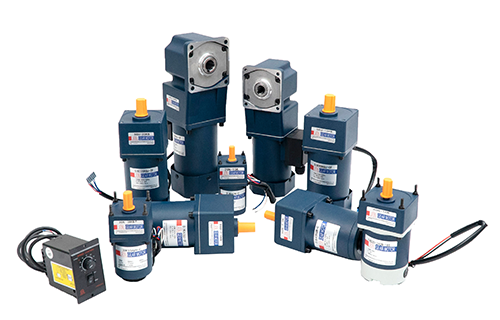
1、 Design of Electromagnetic Braking Device
The core of the brake motor lies in its built-in electromagnetic brake device. The design of this device is directly related to the braking effect and safety of the motor. When the motor is in operation, the electromagnetic brake device will be powered off, allowing the motor to rotate freely. However, once the control system issues a shutdown command, the electromagnetic brake device will be immediately activated, quickly applying braking torque to stop the motor from running. To ensure the safety and reliability of this process, the electromagnetic brake device needs to have the following characteristics:
1. Quick response: The electromagnetic brake device needs to respond to the instructions of the control system in a very short time, quickly apply the braking torque, and ensure that the motor can stop quickly.
2. Stable braking torque: The braking torque provided by the electromagnetic brake device needs to be stable and reliable to avoid the motor being unable to stop or excessively braking due to insufficient or excessive braking torque.
3. Wear resistance: The electromagnetic brake device needs to maintain good wear resistance during long-term use to reduce the risk of brake failure caused by wear.
2、 Design of Control System
The control system of the brake motor is the key to ensuring its safety. A complete control system needs to be able to accurately and timely monitor the operating status of the motor and issue braking commands as needed. When designing a control system, the following factors need to be considered:
1. Sensor configuration: In order to monitor the speed and position of the motor in real time, the control system needs to be equipped with high-precision sensors. These sensors can ensure that the control system accurately issues braking commands when needed.
2. Algorithm optimization: The algorithm of the control system needs to be continuously optimized to improve the accuracy and timeliness of braking commands. Through advanced control algorithms, precise prediction and control of the motor's operating status can be achieved.
3. Fault protection: The control system needs to have fault protection function, which can cut off the power supply in a timely manner when the motor fails, avoiding the expansion of the fault or causing safety accidents.
3、 Heat dissipation and protection design
The brake motor generates a large amount of heat during the braking process. If the heat dissipation is poor, it may cause the motor to overheat, be damaged, or even cause a fire. Therefore, heat dissipation design is an important aspect of considering the safety of brake motors. To ensure good heat dissipation, the following measures need to be taken:
1. Heat sink and fan: Install heat sink on the motor housing and equip it with a fan for forced heat dissipation to ensure that the motor maintains a suitable temperature during operation.
2. Thermistor: Install a thermistor inside the motor to monitor the temperature of the motor in real time. When the temperature is too high, the thermistor will trigger a protection mechanism to cut off the power supply to avoid overheating and damage.
In addition, protective design is also an important aspect to ensure the safety of brake motors. By adopting appropriate protective measures such as installing protective covers and using insulation materials, motor damage or safety accidents caused by external factors can be reduced.
4、 Material selection and manufacturing process
The material selection and manufacturing process of brake motors also have a significant impact on safety. To ensure the reliability and durability of the motor, it is necessary to choose high-quality materials and adopt advanced manufacturing processes. For example, key components in electromagnetic braking devices need to be made of wear-resistant and corrosion-resistant materials; The motor casing needs to be made of high-strength and well insulated materials.
5、 Match application scenarios and requirements
The safety requirements for brake motors vary in different application scenarios. Therefore, when designing brake motors, it is necessary to fully consider the actual needs of the application scenario and ensure that the motor can meet specific safety standards. For example, in situations where emergency braking is required such as elevators or conveyor belts, the brake motor needs to have higher braking performance and stability.
6、 Regular maintenance and inspection
To ensure the long-term safety and reliability of the brake motor, regular maintenance and inspection are necessary. This includes checking the operating status of the motor, cleaning the cooling system, replacing worn parts, etc. Through regular maintenance and inspection, potential safety hazards can be identified and addressed in a timely manner to ensure the normal operation of the motor.
In summary, the safety design of brake motors needs to be considered from multiple aspects such as electromagnetic brake devices, control systems, heat dissipation and protection, material selection and manufacturing processes, application scenarios and requirements matching, and regular maintenance and inspection. By comprehensively considering these factors, it can be ensured that the brake motor can maintain high reliability and safety under various working conditions, providing strong support for industrial production and scientific research.
Brake motor,gear motor,speed motor
Address: No.66 bis, Hetong Road, Dongfeng Town, Zhongshan City, Guangdong Province
Tel:0760-22189558
Mobile:13923325827

©2023 GUANGDONG YONGKUN MOTOR CO.,LTD All rights reserved


