
What is the full load efficiency of the gearbox?
Release Time :
2025-07-31
Source :
network
Author:
Yongkun
What is the full load efficiency of the gearbox?
The "full load efficiency" of a gearbox refers to the ratio of the output mechanical power to the input mechanical power when the gearbox is subjected to the maximum design load (i.e. rated load or full load) at the rated input speed, usually expressed as a percentage (%).
Simply put, it refers to how much input power the gearbox can effectively transmit when it is in the heaviest working state, rather than wasting it in vain.
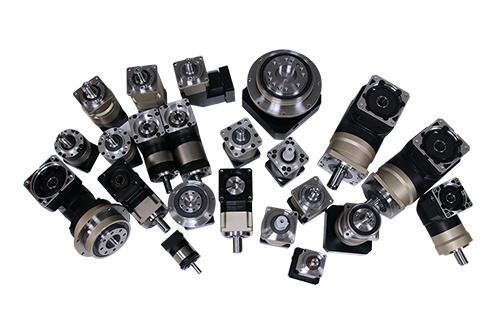
Key point explanation:
Full load: This refers to the state in which the gearbox can withstand the maximum torque or power allowed by its design. This is a key operating point for evaluating the performance of the gearbox.
Efficiency: measures the proportion of losses incurred during the process of energy conversion or transfer. No mechanical system can achieve 100% efficiency, there will always be energy loss.
Power: This refers to mechanical power (power=torque x speed). The input power is the mechanical power transmitted from the drive end (usually the motor end) to the gearbox; The output power is the mechanical power transmitted from the gearbox to the load end (working machine).
Loss: The energy loss inside the gearbox mainly comes from:
Gear meshing friction: This is the main source of loss, depending on the type of gear (such as helical gears, which are usually more efficient than spur gears), tooth surface accuracy, surface treatment, lubrication status, etc.
Bearing friction: The bearings supporting the gear shaft will generate friction losses.
Oil stirring loss: The energy consumed by stirring the lubricating oil when the gear rotates in the lubricating oil. This loss is more significant during high-speed operation.
Wind resistance loss: The loss caused by friction between high-speed rotating components and air (usually small).
Friction of seals: Friction loss caused by seals such as shaft seals.
Why is full load efficiency important?
Energy saving: The higher the efficiency, the less energy is wasted when transmitting the same power, and the less power the input power source (such as a motor) needs to provide. For equipment that operates continuously for a long time, high efficiency can significantly reduce operating electricity costs.
Temperature rise control: The majority of the lost energy is converted into heat. The lower the efficiency, the greater the internal heat generation. Excessive temperature rise can accelerate the aging of lubricating oil, reduce lubrication performance, and even damage gears and bearings, affecting the service life and reliability of the gearbox. High efficiency helps to control the operating temperature.
Selection criteria: Full load efficiency is one of the important indicators for evaluating and comparing the performance (especially energy consumption) of different reducers. Choosing a more efficient gearbox is usually a better choice while meeting the requirements of load and speed ratio.
System performance: For the entire transmission system, the efficiency of the gearbox directly affects the effective power of the final driving load.
The main factors affecting full load efficiency are:
Gear design: Gear types (planetary gears are usually highly efficient, followed by helical gears and worm gears, which are usually less efficient), tooth profile optimization (such as modification), module, pressure angle, etc.
Manufacturing accuracy and materials: High precision gear machining and heat treatment can significantly reduce friction losses. High quality bearings are also important.
Transmission series: The more series there are, the greater the total meshing loss and the lower the efficiency.
Lubrication: The appropriate viscosity of lubricating oil, sufficient oil quantity, and good lubrication method are the key to ensuring efficiency. Excessive viscosity can increase oil agitation loss, while insufficient viscosity may lead to boundary lubrication and increased friction.
Working temperature: Temperature affects the viscosity of lubricating oil, which in turn affects efficiency.
Typical value range:
Single stage parallel axis helical gear reducer: The full load efficiency is usually around 95% -98%.
Planetary gear reducer: The full load efficiency is very high, usually reaching 97% -99%.
Worm gear reducer: The efficiency is relatively low, usually around 70% -90% for a single stage (efficiency decreases with increasing speed ratio).
Multi stage gearbox: The total efficiency is the product of the efficiencies of each stage, so it may be lower than that of a single-stage gearbox.
Summary:
The full load efficiency of a gearbox is the core indicator of its energy transfer effectiveness under the most stringent working conditions. It is directly related to the operating energy consumption, heat generation, and long-term reliability of the equipment. When choosing a reducer, after meeting basic requirements such as load, speed ratio, and size, full load efficiency is an important consideration factor for evaluating its performance and economy. Pursuing higher full load efficiency means lower operating costs and better environmental benefits.
Precision reducer,electrical machinery,gear motor
Address: No.66 bis, Hetong Road, Dongfeng Town, Zhongshan City, Guangdong Province
Tel:0760-22189558
Mobile:13923325827

©2023 GUANGDONG YONGKUN MOTOR CO.,LTD All rights reserved


