
What is the difference between 220V and 380V reduction motors?
Release Time :
2024-10-09
Source :
NETWORK
Author:
YONGKUN MOTOR
The common voltage levels are 220V and 380V, and there are some obvious differences between them. This article will explore in detail the differences between 220V and 380V reduction motors from the perspectives of voltage definition, application scenarios, performance characteristics, usage costs, and safety.
1、 Definition of Voltage
Firstly, we need to understand what 220V and 380V respectively represent. 220V refers to the voltage level of single-phase alternating current, usually used in households and small commercial places. And 380V refers to the voltage level of three-phase AC power, mainly used in industrial and large commercial places. The choice of these two voltage levels mainly depends on the power and current required by the equipment.
2、 Application scenarios
Due to the different voltage levels, there are also differences in the application scenarios of 220V and 380V reduction motors. Generally speaking, 220V deceleration motors are suitable for situations with low power and low requirements for voltage stability, such as household appliances, small machinery, etc. The 380V reduction motor is suitable for situations with high power and high requirements for voltage stability, such as large machinery, production lines, etc.
3、 Performance characteristics
In terms of performance characteristics, 380V reduction motors typically have higher power and torque output capabilities, which can meet the requirements of complex and heavy load applications. In addition, due to the characteristics of three-phase AC power, the 380V deceleration motor operates more smoothly, with relatively less noise and vibration. Although the 220V deceleration motor has a lower power, it performs well in some light load and low-noise requirements.
4、 Cost of use
In terms of usage cost, 220V and 380V reduction motors have their own advantages and disadvantages. Due to the simple structure and low manufacturing cost of the 220V deceleration motor, the purchase price is relatively low. However, in long-term use, higher maintenance costs may be required due to power limitations and voltage stability issues. In contrast, although the purchase price of 380V reduction motors is higher, their high efficiency and stable performance characteristics may result in relatively lower long-term usage costs.
5、 Security
In terms of safety, 380V deceleration motors have a certain risk of electric shock due to their high voltage. Therefore, strict adherence to safety regulations is necessary during installation and use to ensure the safety of personnel and equipment. The voltage of the 220V deceleration motor is relatively low and relatively safe. However, regardless of the voltage level of the deceleration motor used, regular safety checks and maintenance should be carried out to ensure the normal operation and safe use of the equipment.
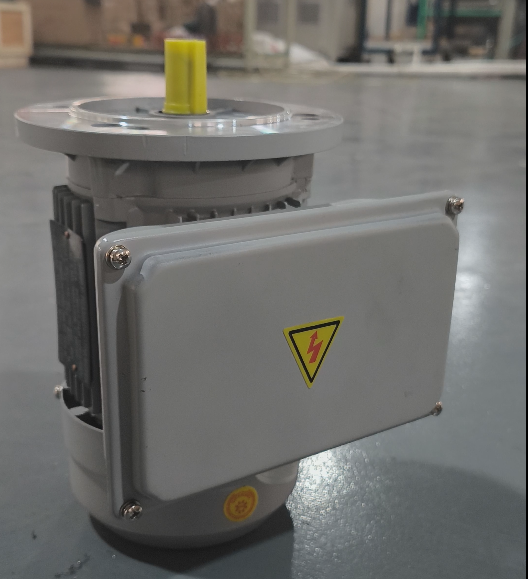
There are certain differences between 220V and 380V reduction motors in terms of voltage definition, application scenarios, performance characteristics, usage costs, and safety. When choosing a deceleration motor, comprehensive consideration should be given to the actual needs and application scenarios to select the most suitable voltage level. At the same time, safety regulations should be strictly followed during use to ensure the safety of personnel and equipment. Through reasonable selection and use, the reduction motor will provide stable and efficient power support for modern industrial production.
Gear motor,Gearbox,Reducer
Address: No.66 bis, Hetong Road, Dongfeng Town, Zhongshan City, Guangdong Province
Tel:0760-22189558
Mobile:13923325827

©2023 GUANGDONG YONGKUN MOTOR CO.,LTD All rights reserved


