The main applications of deceleration motors and how to improve their operation What are the main uses of a deceleration motor?
Release Time :
2024-09-05
Source :
network
Author:
YONGKUN MOTOR
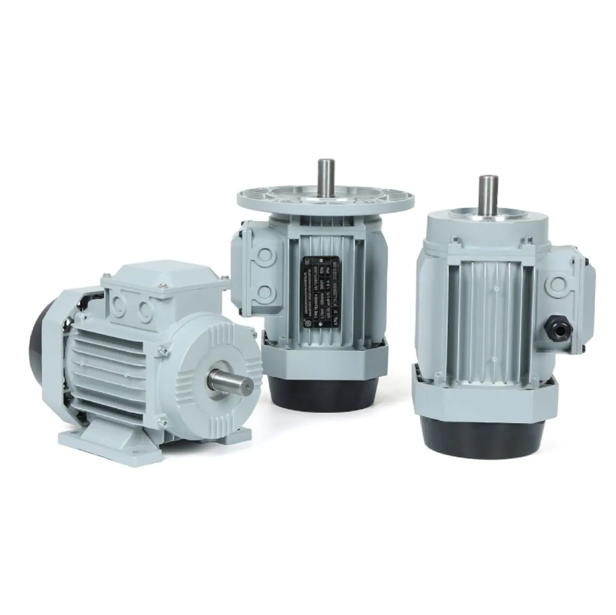
Deceleration motors are used to operate all types of industrial and household machines that require safe and effective reduction of motor speed. The reducer adjusts the speed of the motor to provide the torque required for the machine to operate normally.
As a transmission system, gearbox stands out due to its high complexity, and there are countless gearbox system designs to choose from based on the needs and specifications of each application.
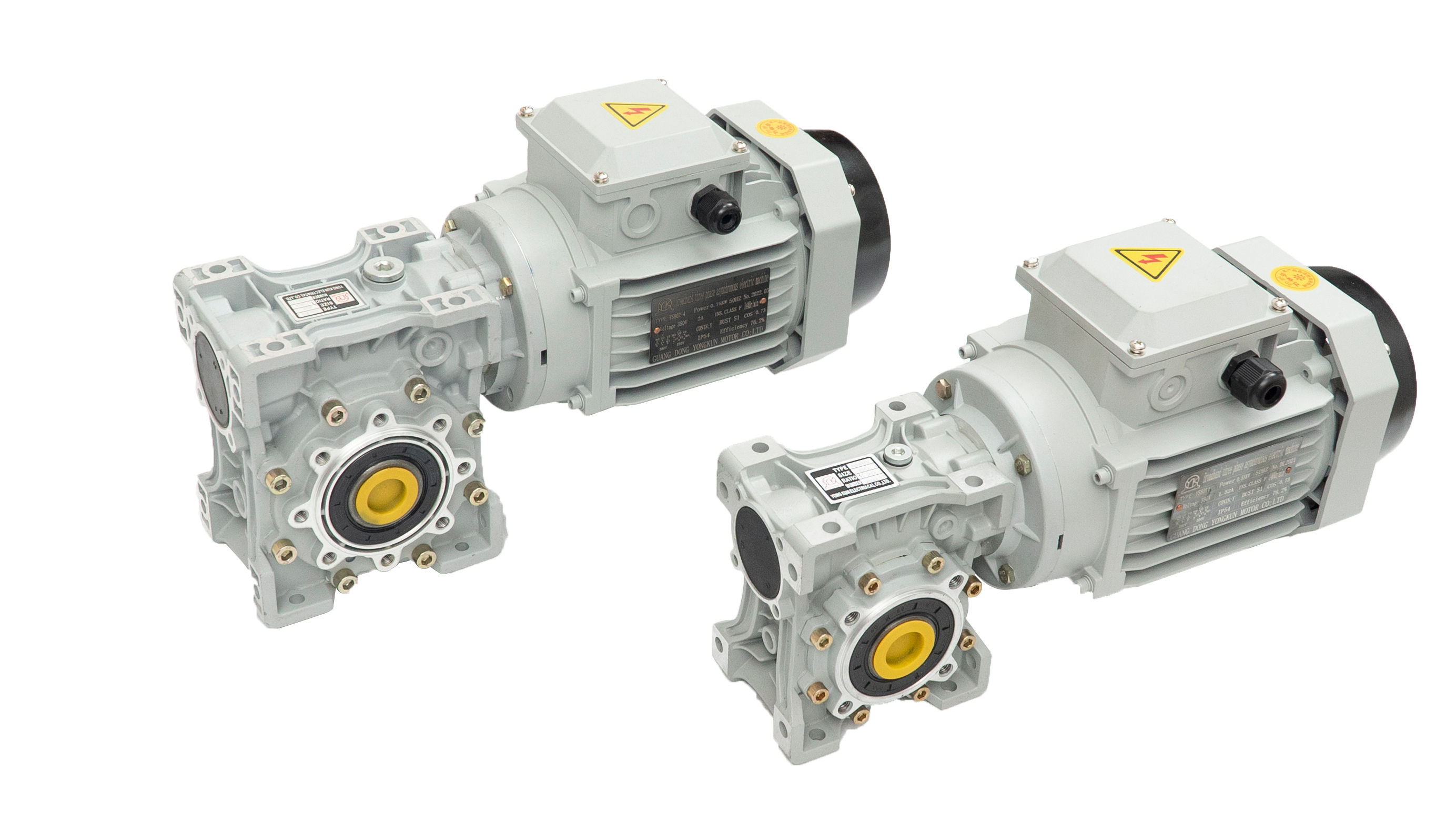
Understanding certain concepts of the components that make up a reduction motor will help us better understand the elements that make up a reduction gearbox.
The concept of torque:
It is a rotational force expressed in units of kilograms per meter, newtons per meter, or pounds per foot. When torque is combined with execution time, it becomes' power '.
Electric motor:
The electric motor has a specific force specified in HP and has the operating speed of the output shaft. The two characteristics of power and speed define the torque that a motor can provide. The torque will determine whether the load rotates.
The combination of power, torque, and speed of an electric motor or gear motor is defined by the following formula:
Mechanical power:
W=M (Nm) xw (rad/s).
W=16.4 Nm (maximum torque output in Nm) x speed (maximum output in rad/s).
10 rpm = 10 × 1 revoluciónmin×1 min60 s×2π rad1 revolución= 10 x 2 x π60 = 1,047 rad/s
W =16,4 Nm x 1,047 rad/s= 17 W。
1cv= 735,39875W = 0.98632HP
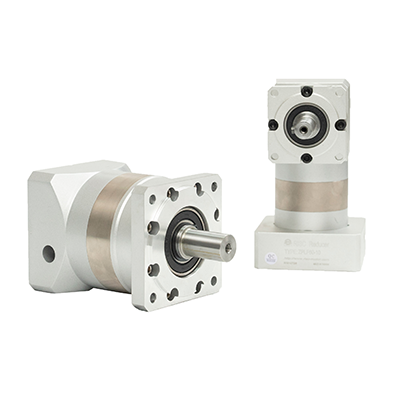
Transmission: It is a type of transmission mechanism. It consists of a set of mechanical components that can achieve appropriate deceleration and increase torque transmission. All of its projects are equally important, as they require geometric shapes and combinations to enable the system to function properly. We refer to gears, sliding bearings, crown wheels, washers, pulleys, small gears
In general, before starting a mechanical and electrical engineering project that requires driving, we should answer questions that are crucial for obtaining results. It is important to understand the types and advantages of reducers. The choice will depend on the type of motion we are seeking, the power we need, or the space we have in the machine. Here, we show you the main types of reducers that you can find.
How to improve the operation of gear reduction motors?
There are some basic parameters that can be used to obtain better quality products or solutions based on their analysis.
Analysis and correction of mechanical noise level:
Gear motors should be tested using frequency measurement equipment before being put on the market. It is important to pay attention to mechanical vibration and let your gear motor supplier know how to use vibration measuring instruments to prevent uncomfortable frequencies.
Zui Jia Torque Measurement:
The optimal measurement of starting torque, output torque, and rated torque ensures the correct transmission of motion and the adaptability of the machine or application.
Energy consumption:
The energy efficiency of a deceleration motor is another factor to remember when choosing one or another model. The configuration of the gear system, the configuration and characteristics of the rolling bearings, or the surface treatment of the components improve the performance of the entire system.
Service life test:
The test is conducted in the laboratory to measure resistance, limits, and the service life of the deceleration motor. Suppliers of gearmotors with these laboratories and the testing technology they provide can ensure that buyers deliver high-quality gearmotors.
Design of deceleration motor:
Before delving into the details of gear motor design, we will mention the service coefficient, which serves as a reference for the conditions that affect or increase the power demand of gear motors. This factor may be related to factors such as dust and relative humidity, the amount of vibration experienced, or the number of operating cycles. Reducing the impact of usage factors is the result of gaining a deeper understanding of the internal working principle of the gearbox and improving its entire transmission mechanism design.
After studying the operations to be carried out, gear motor manufacturers can design a transmission system that optimizes output power. Here, you can find some technical elements that can prevent energy loss and extend the lifespan of the motor.
The importance of materials and service life in manufacturing deceleration motors:
In addition to design, the material quality and specific treatment used for each component will also extend its elasticity and service life. For example, there are some processing methods here that can increase the thermal elasticity of parts to increase their heat dissipation inside the gearbox.
When it comes to the inherent characteristics of materials, it is recommended to always propose application requirements (such as stages, speed, output power, etc.) in order to select materials that perform well in each project.
There are various materials that can improve the efficiency of gear motors, such as self-lubricating plastics or low friction plastics. These types of materials can improve efficiency but shorten their lifespan. Each specific case should be studied to determine which material is more beneficial for workloads and other aspects.
When dealing with metals, we can process the metal material to increase the hardness and elasticity of the parts, and protect them from external factors. These types of treatments cannot prevent energy loss between gears, but they can greatly increase the service life of the parts
electrical machinery.,motor
Address: No.66 bis, Hetong Road, Dongfeng Town, Zhongshan City, Guangdong Province
Tel:0760-22189558
Mobile:13923325827

©2023 GUANGDONG YONGKUN MOTOR CO.,LTD All rights reserved


