
Main Structure and Application Fields of Electric Motors
Release Time :
2024-10-17
Source :
network
Author:
Made by Guangdong Yongkun Motor Co., Ltd
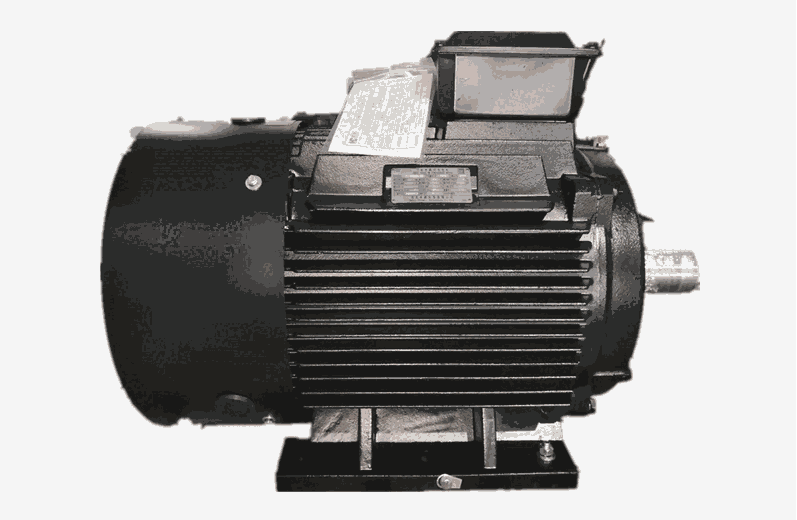
The stator is the fixed part of the motor, mainly composed of the stator core, stator winding, and frame. The stator core is made of stacked silicon steel sheets, used to form a magnetic circuit and reduce hysteresis and eddy current losses. The stator winding is the circuit part of a motor that generates a magnetic field by passing current through it.
The rotor is the rotating part of a motor, and its structure varies depending on the type of motor. The rotor of an asynchronous motor consists of a rotor iron core, rotor winding, and shaft. The rotor core is also made of stacked silicon steel sheets, and the rotor winding can be cage winding or wound winding. The rotor of synchronous motors mainly has two types of structures: salient pole and hidden pole, which are suitable for different occasions. There are excitation windings or permanent magnets on the rotor to generate a magnetic field.
Other components: Electric brushes and commutators: used in DC motors to connect the armature winding to an external power source and change the direction of armature current during rotation. Bearings: support rotor rotation, reduce friction and wear. Fan: used for motor heat dissipation to ensure that the motor operates within the normal temperature range.
4、 Application areas of motors
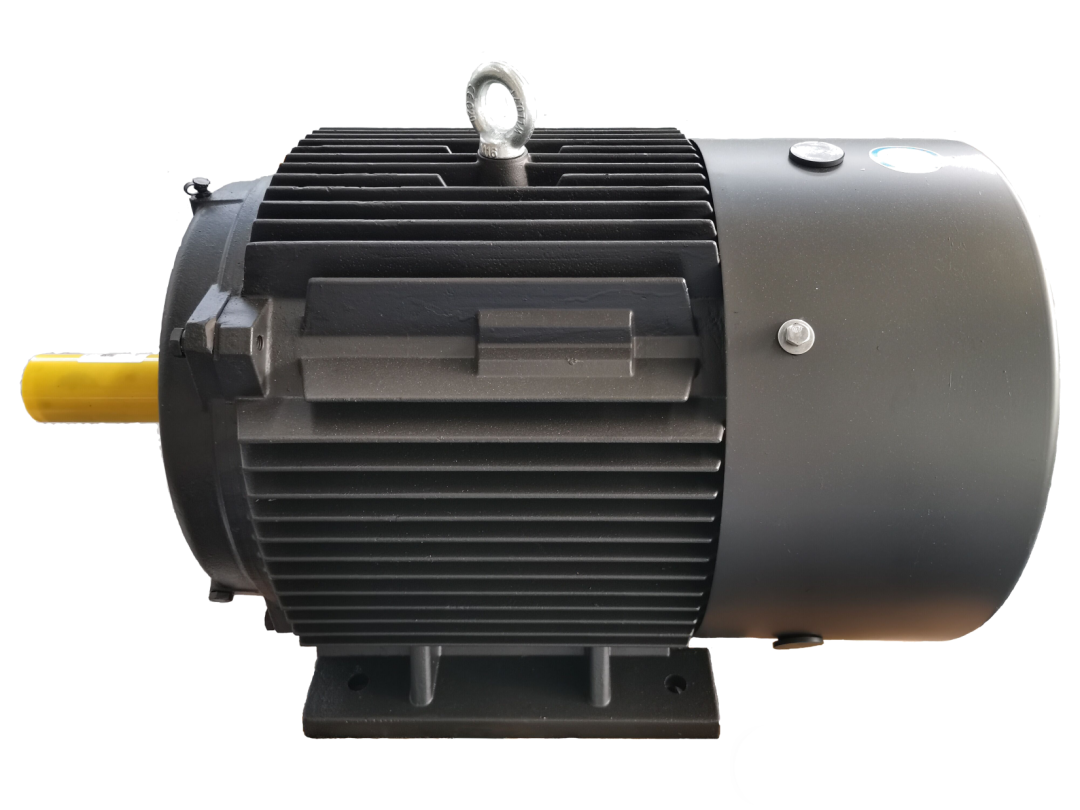
Industrial production motors are indispensable power equipment in industrial production. In the manufacturing industry, motors drive various machine tools, production lines, conveyor equipment, etc., improving production efficiency and automation level. For example, servo motors in CNC machine tools can achieve precise position control, ensuring machining accuracy; The motors in automated production lines drive various mechanical devices to achieve operations such as material transportation and assembly. In the field of heavy industry, motors are used to drive large equipment such as cranes, crushers, and mixers. These devices require high-power, high torque motors to provide power to meet production needs.
Transportation electric vehicles: The motor is the core component of electric vehicles, providing power to drive the vehicle. Compared with traditional fuel vehicles, electric vehicles have advantages such as zero emissions, low noise, and high efficiency and energy saving. Rail Transit: Electric motors are also widely used in rail transit vehicles such as subways, light rails, and high-speed trains. Electric motor-driven vehicles have the characteristics of wide speed regulation range, smooth operation, and high reliability. Ship: The electric motor on board is used to drive equipment such as propellers and generators. With the improvement of ship electrification, the application of motors in ships is becoming increasingly widespread.
Household appliance motors are also widely used in household appliances such as washing machines, refrigerators, air conditioners, etc. The motors in these appliances are usually AC asynchronous motors, which have the characteristics of simple structure, low cost, and reliable operation. For example, the motor in a washing machine drives the drum to rotate, achieving the washing and dehydration of clothes; The motor in the air conditioner drives the fan and compressor to achieve air circulation and cooling.
Wind power generation in the field of new energy: The motors in wind turbines convert wind energy into electrical energy. Wind turbines typically use synchronous or asynchronous motors, depending on the requirements of different power generation systems. Solar power generation: The motor in the solar power generation system is used to drive the solar tracking device, keeping the solar panels aligned with the sun and improving power generation efficiency.
electric machinery,Gearbox,Gear motor
Address: No.66 bis, Hetong Road, Dongfeng Town, Zhongshan City, Guangdong Province
Tel:0760-22189558
Mobile:13923325827

©2023 GUANGDONG YONGKUN MOTOR CO.,LTD All rights reserved


